Want to Know the Secret Behind Flawless Fabric Blends from Premium Pullover Manufacturers?
We have all been there at least once. You drop serious cash on a heavy winter drop from a hyped upco...
Read More
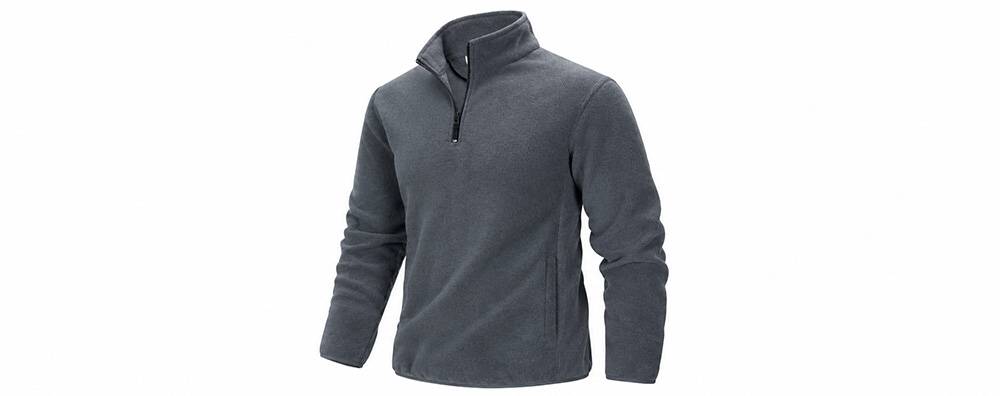
We have all been there at least once. You drop serious cash on a heavy winter drop from a hyped upcoming brand. It looks absolutely incredible on the hanger. But the moment you pull it out of the washing machine? Total disaster. The bottom hem curls up, the shoulders stretch out into weird pointy triangles, and the entire inside starts shedding little fuzzballs all over your undershirt. It is incredibly frustrating. This happens because most clothing labels completely ignore the actual science of raw textiles. They just pick a random color swatch from a supplier catalog, cross their fingers, and hope for the best. But when you look at the heavy hitters in the apparel game, you realize they play by entirely different rules. They do not just buy fabric off a shelf; they engineer it from the yarn up. That obsession with raw materials is exactly what separates legitimate Pullover Manufacturers from the cheap, run-of-the-mill factories just trying to meet a quick seasonal quota.
You cannot just slap cotton and polyester together in a vat and expect a miracle. True fabric blending is essentially a high-stakes chemistry experiment. If you go too heavy on the synthetic fibers, the garment feels like a cheap plastic bag and aggressively traps sweat against your skin. If you use cheap, short-staple cotton, the threads literally break under tension and start pilling after a single commute to the office. Operating straight out of Delhi, Bespoke Factory takes this initial blending process incredibly seriously. We refuse to just order pre-made rolls of generic cloth. We dictate the exact yarn ratio from day one. By specifying the percentage of long-staple combed cotton mixed with just enough premium elastane, we lock in the structural shape. That is why genuine Pullover Manufacturers can consistently deliver a garment that drapes heavily on the body but still breathes perfectly on a mild autumn afternoon.
When an independent brand tries to scale up into colder, harsher territories, the founders usually panic. Suddenly, they need gear that can actually survive a brutal snowstorm. A lot of designers immediately start frantically hunting for local Pullover Manufacturers in Canada, assuming that a factory located in a freezing climate magically produces better winter apparel. But that is a massive, costly misconception. In reality, a huge chunk of those domestic facilities are just importing blank, heavyweight garments from overseas, slapping a localized neck tag on them, and charging you triple for the privilege. You end up paying an insane premium for basic fleece that you could have easily custom-engineered for a fraction of the price with a vertically integrated production partner.
You see a very similar trap when boutique brands try to chase that authentic, rugged mountaineer aesthetic. They start digging around the internet for traditional Pullover Manufacturers in Nepal, hoping to score thick, hand-loomed wool pieces to sell at a massive retail markup. It sounds like a fantastic marketing story for an Instagram ad. But the actual logistics on the ground? A total nightmare. You deal with wildly inconsistent sizing, rough textures that scratch the skin raw, and absolutely zero modern quality control. Scaling a successful retail brand requires strict, mathematical consistency across thousands of units, not just a romantic backstory about where the yarn was spun.
If you are tired of getting burned by bad fabric runs, you need to start asking highly aggressive questions. Stop settling for whatever feels "okay" out of the sample box. Before you ever wire a deposit for a massive bulk run, you need to demand these specific textile standards from your production team:
You do not build a rabidly loyal customer base by selling uncomfortable clothes. Period. When someone puts on your gear, it needs to feel like an immediate, undeniable upgrade to their wardrobe. Leaving your fabric blends up to chance is the fastest way to kill your clothing line before it even takes off. By teaming up directly with Bespoke Factory, you take total, uncompromising control over the textile science. You get the exact weight, the perfect drape, and the insane softness that keeps your customers aggressively coming back for every single season drop.
Dive deeper into the world of bespoke craftsmanship with our curated selection of related posts. Explore expert tips, design inspirations, and behind-the-scenes stories in our blog archives.
We have all been there at least once. You drop serious cash on a heavy winter drop from a hyped upco...
Read More
Ever pulled a brand-new hoodie over your head, expecting a warm, cozy hug, only to feel like you jus...
Read More